
Imagine locking your front door with a rusty, 19th-century padlock while leaving the back window wide open. Sounds absurd, right? Yet, thousands of business owners and homeowners do the exact same thing every single day in the digital realm. They invest thousands in sleek perimeter fences, heavy-duty doors, and smart locks—all while keeping a blind eye on a ticking time bomb hanging right above their heads: outdated CCTV cameras.
In 2024, cyber threats are no longer restricted to your office desktop or corporate server. Hackers have evolved, targeting the weakest links in the Internet of Things (IoT) ecosystem. If your surveillance system is running on ancient firmware, unencrypted protocols, or obsolete hardware, you aren’t just vulnerable—you are practically inviting cybercriminals into your private space.
In this comprehensive guide, we are pulling back the curtain on the dangerous reality of legacy surveillance. Read on to discover the top 7 hidden security risks of using outdated CCTV cameras in 2024, and learn actionable steps to safeguard your property before it’s too late.
📌 Table of Contents
- Why Outdated CCTV Systems Are a Hacker's Playground
- Top 7 Hidden Security Risks of Using Outdated CCTV Cameras
- 1. Unpatched Software Vulnerabilities and Zero-Day Exploits
- 2. Default Hardcoded Credentials and Weak Authentication
- 3. Lack of Video Stream Encryption
- 4. Incompatibility with Modern Network Firewalls
- 5. Botnet Recruitment and DDoS Enslavement
- 6. Physical Tampering and Zero Anti-Masking Features
- 7. Compliance Failures and Regulatory Penalties
- Old vs. Modern CCTV Systems: A Quick Comparison
- How to Audit and Secure Your Existing Infrastructure
- Take Control of Your Security Today
- Frequently Asked Questions
- Can outdated CCTV cameras really be hacked from across the world?
- >How often should I upgrade my security camera system?
- Is it safe to use old analog cameras with a modern digital recorder?
Why Outdated CCTV Systems Are a Hacker’s Playground
📌 İlginizi Çekebilir: Best Wired Security Cameras 2025
For years, physical security and cybersecurity lived in two completely different universes. Security guards watched camera feeds on analog monitors, and IT departments managed network firewalls. Today, those universes have violently collided. Modern surveillance runs on IP networks, meaning every single camera is essentially a miniature computer connected to the internet.
When manufacturers stop supporting older hardware, security patches stop coming. This leaves gaping vulnerabilities that automated botnets and malicious actors actively scan for on the dark web. Upgrading your infrastructure isn’t just about getting a sharper picture; it’s about plugging critical enterprise-level security leaks. If you are serious about modernizing your setup, transitioning to advanced hardware like our Best XVR Devices 2026: Future-Proofing Your Security with Top Hybrid Recorders is a vital step toward absolute protection.
Top 7 Hidden Security Risks of Using Outdated CCTV Cameras
📌 İlginizi Çekebilir: How to Reset the Password of Swann Recorder
1. Unpatched Software Vulnerabilities and Zero-Day Exploits
Every piece of software has bugs, and firmware is no exception. When manufacturers discover these bugs, they release security updates to patch them. However, legacy CCTV cameras eventually reach their “End of Life” (EOL). Once a device hits EOL, the manufacturer stops creating patches.
Hackers maintain vast databases of known, unpatched vulnerabilities in older camera models. If your cameras are running on ancient code, an intruder can exploit these known weaknesses in seconds to bypass authentication protocols completely. To mitigate this risk, ensuring your system components are running the latest operational standards is mandatory—you can explore how to manage this via official resources like Veilux Devices Firmware Software guidelines.
2. Default Hardcoded Credentials and Weak Authentication
Do you remember what the password was for your first-ever email account? Probably something simple like “password123.” Unfortunately, many older CCTV cameras came with factory-set, hardcoded admin usernames and passwords (such as *admin/admin* or *root/12345*).
While modern systems force users to create complex, multi-factor-authenticated passwords upon setup, legacy systems often lack this capability. Automated hacking scripts scan the web specifically for these default credentials, instantly hijacking camera feeds and using them as entry points to infiltrate your wider local network (LAN).
3. Lack of Video Stream Encryption
How does the video feed travel from your camera to your recorder or mobile app? In outdated analog or poorly configured early-generation IP setups, this data travels in plain text. This means anyone with a modest packet-sniffing tool sitting on your Wi-Fi network—or intercepting your signal over the air—can easily intercept, view, or even tamper with your live video streams.
Without end-to-end encryption (like HTTPS, TLS, or SRTP), your confidential security footage is essentially being broadcasted in the open for tech-savvy intruders to consume.
4. Incompatibility with Modern Network Firewalls
Cybersecurity standards change at a blistering pace. Modern firewalls use advanced threat detection, deep packet inspection, and segmented VLANs to isolate IoT devices from critical corporate assets. Outdated cameras, however, rely on legacy networking protocols that modern security firewalls flag as suspicious or simply cannot parse correctly.
As a result, system administrators often lower their firewall restrictions or open risky ports (like Port 80 or Port 554) just to get the old cameras to stream. This creates a massive backdoor, completely negating the expensive firewalls protecting the rest of your network.
5. Botnet Recruitment and DDoS Enslavement
Did you know your security camera could be used to launch a cyber attack against a major global corporation? It sounds like science fiction, but it is a terrifying reality. Botnets like Mirai specifically target insecure IoT devices—primarily cheap or outdated IP cameras and DVRs.
Once infected, your camera becomes part of a “zombie network,” used silently in the background to launch massive Distributed Denial of Service (DDoS) attacks. Not only will this drastically slow down your internet bandwidth, but your IP address could also end up blacklisted globally, severely damaging your business operations.
6. Physical Tampering and Zero Anti-Masking Features
While cyber threats are severe, we cannot forget physical security risks. Older cameras lack modern environmental sensors, tamper detection, and anti-masking technologies. If someone throws a blanket over an old analog camera, sprays it with paint, or simply unscrews it from the wall, the system often registers nothing more than a lost video signal.
Modern smart cameras feature instant tamper alerts, gyroscope-based shock detection, and AI-driven notifications that trigger alarms the exact microsecond someone attempts to obstruct the lens.
7. Compliance Failures and Regulatory Penalties
If you operate a business, healthcare facility, educational institution, or retail store, you are likely bound by strict data privacy and security regulations (such as GDPR, HIPAA, or PCI-DSS). Using outdated, insecure surveillance systems is a blatant compliance violation.
If a data breach occurs through an unpatched camera system, regulatory bodies won’t just look at the hacker—they will penalize *you* for gross negligence. The resulting fines, lawsuits, and loss of customer trust far outweigh the cost of upgrading your hardware.
Old vs. Modern CCTV Systems: A Quick Comparison
| Feature / Metric | Outdated CCTV Systems (Legacy) | Modern CCTV Systems (2024 Standard) |
|---|---|---|
| Firmware Updates | Discontinued (Vulnerable to exploits) | Active over-the-air patches & auto-updates |
| Encryption | Unencrypted plain-text streams | End-to-end encryption (TLS/HTTPS/AES) |
| Authentication | Hardcoded default credentials | MFA, robust password policies, secure tokens |
| Integration | Isolated or requires insecure port-forwarding | Seamless cloud, AI, and enterprise firewall integration |
| Threat Detection | Basic motion detection (frequent false alarms) | AI-powered human/vehicle recognition & tamper alerts |
How to Audit and Secure Your Existing Infrastructure
If you aren’t ready to rip out every single camera tomorrow morning, you need an immediate triage strategy. Conducting a thorough security audit is your first line of defense.
- Change All Passwords Immediately: Purge any default factory credentials and implement strong, unique passwords for every single device.
- Isolate Your Camera Network: Place all your surveillance hardware on a dedicated Virtual Local Area Network (VLAN) separate from your primary business or home computers.
- Disable UPnP and Remote Port Forwarding: Stop exposing your cameras directly to the open internet. If remote viewing is necessary, route traffic through a secure Virtual Private Network (VPN) or an encrypted cloud relay service.
- Check for Firmware Updates: Visit your manufacturer’s portal to see if any final patches are available, or plan an immediate hardware replacement cycle for unsupported models.
Take Control of Your Security Today
Ignoring the risks of outdated technology is a gamble you simply cannot afford to take in 2024. Cybercriminals are counting on your hesitation. Don’t let an obsolete camera become the weakest link that compromises your entire safety net, your data, and your peace of mind.
Ready to future-proof your security infrastructure? Upgrade your outdated hardware, fortify your network, and experience crystal-clear, impenetrable protection today. Explore our elite selection of hybrid recorders or consult with our security experts to find the perfect system tailored to your exact needs!
Frequently Asked Questions
Can outdated CCTV cameras really be hacked from across the world?
Yes, absolutely. If your outdated cameras are connected to the internet using insecure port forwarding or default passwords, automated global botnets can scan and compromise them within minutes, allowing hackers thousands of miles away to view your live feeds or manipulate your network.
<h3 id="etibot-toc-head-15" class="etibot-faq-q
>How often should I upgrade my security camera system?
As a general rule of thumb, commercial-grade security systems should be evaluated every 3 to 5 years. If your cameras stop receiving official firmware security updates or manufacturer support, they should be replaced immediately to protect against emerging cyber threats.
Is it safe to use old analog cameras with a modern digital recorder?
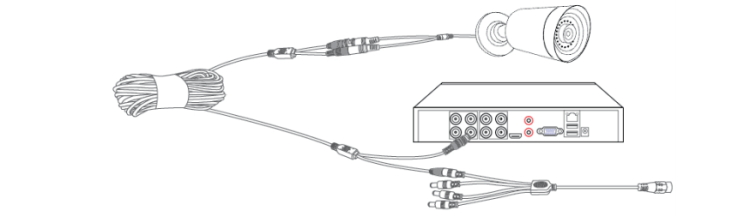
Yes, transitioning through hybrid systems like XVRs allows you to utilize existing analog cabling while upgrading to modern, secure recording technology. However, if the camera hardware itself is severely outdated or lacks encryption capabilities, replacing the cameras alongside the recorder is always the safest approach.
{
“@context”: “https://schema.org”,
“@type”: “FAQPage”,
“mainEntity”: [
{
“@type”: “Question”,
“name”: “Can outdated CCTV cameras really be hacked from across the world?”,
“acceptedAnswer”: {
“@type”: “Answer”,
“text”: “Yes, absolutely. If your outdated cameras are connected to the internet using insecure port forwarding or default passwords, automated global botnets can scan and compromise them within minutes, allowing hackers thousands of miles away to view your live feeds or manipulate your network.”
}
},
{
“@type”: “Question”,
“name”: “>How often should I upgrade my security camera system?”,
“acceptedAnswer”: {
“@type”: “Answer”,
“text”: “As a general rule of thumb, commercial-grade security systems should be evaluated every 3 to 5 years. If your cameras stop receiving official firmware security updates or manufacturer support, they should be replaced immediately to protect against emerging cyber threats.”
}
},
{
“@type”: “Question”,
“name”: “Is it safe to use old analog cameras with a modern digital recorder?”,
“acceptedAnswer”: {
“@type”: “Answer”,
“text”: “Yes, transitioning through hybrid systems like XVRs allows you to utilize existing analog cabling while upgrading to modern, secure recording technology. However, if the camera hardware itself is severely outdated or lacks encryption capabilities, replacing the cameras alongside the recorder is always the safest approach.”
}
}
]
}